Join us!  Sign in   

Recipes » Kale recipes (title)

Broaden to those with "kale" mentioned anywhere

1 to 20 out of 358


Refine my search

Category:  or  clear
 

INCLUDE Ingredients
EXCLUDE Ingredients
Only show

Ready in (minutes)
Sorting
Dietary filters BigOven Pro required (try it free!)

Notice a categorization error? Let us know by clicking [alert editor] on the recipe page, in the ingredients box.

Kale

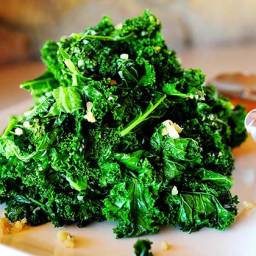
Kale is a leafy green closely related to collards. Enjoy it in a salad (younger, smaller leaves) or steamed with garlic and onions.

While kale may have originated in Asia and the Mediterranean, it has long been a “poor man’s” staple of northern Europe and the southern United States. It is a loose-leafed member of the cabbage family, generally identified by frilled leaftips and sturdy ribs.

Many traditional recipes include kale, such as Portuguese caldo verde and Brazil’s couve a mineira (shredded kale). The taste is very similar to collards and many prefer the latter. Other names for kale include borecole and cow cabbage.

Varieties

The most common kale varieties are:

Black: Also known as curly/Scots, dinosaur/lacinato, Tuscan kale, and cavolo nero (Italy). These greens have the strongest flavors and thickest leaves.

Ornamental: Originally for decorative use only. Also known as salad savoy and flowering cabbage. Milder than other varieties and typically used as a colorful garnish.

Colors can range from bright and dark green to purple-tinged (Russian kale) to red. Leaves may be ruffly or flat, and stubby or elongated.

Buying Tips

Kale thrives in colder climates and will have the best flavors during the height of the season. In fact, it takes several hearty frosts to allow sugars in the leaves to convert from starch. Choose baby kale for salads. Purchase older kale for stews and long-simmering broths.

Check for pest infestations (holes) and browning or yellowed leaves.

Storage Tips

Refrigerate in an opened plastic bag. While it will remain fresh for several days, flavor intensifies with age and may become bitter. It freezes well.

Usage Tips

• Remove the tough ribs from older, large-leafed kale.

• Wash thoroughly just before preparing.

Boil, blanch, or steam and then sauté with garlic and onions. Use as a bed for rice, or pasta, and chicken.

• Kale leaves hold their shape throughout cooking without losing volume.

• Steam, rather than boil, to retain nutrients.

Substitution Tips

Cabbage, spinach, mustard greens


Try one of our favorite kale recipes:
Beans and Kale
Austrian Kale

Ads keep BigOven free. Remove ads anywhere you log in with BigOven Pro

Hi there! Please sign in first.

BigOven needs to know who you are, so you can take your recipes anywhere via your smartphone or tablet.

Not yet a BigOven member? Join us, save time and money!

×

Ready? Let's get cooking.