Join us!  Sign in   

Recipes » recipes tagged pizza

tagged pizza

1 to 20 out of 499


Refine my search

Category:  or  clear
 

INCLUDE Ingredients
EXCLUDE Ingredients
Only show

Ready in (minutes)
Sorting
Dietary filters BigOven Pro required (try it free!)

Notice a categorization error? Let us know by clicking [alert editor] on the recipe page, in the ingredients box.

pizza

Pizza recipesPizza has come a long way in the past decade, rising from simple cheese topped bread to a gourmet entrée crowned with seafood, roasted vegetables, soft cheeses, and freshly chopped herbs. Crusts for every taste abound, including cracker-thin and crisp, chewy and bubbly, and ones so thick they defy the New York tradition of folding the pie wedge in half before taking the first bite.

Whether you yearn for traditional pizza toppings such as pepperoni and mushroom or crave exotic combinations popularized by chefs such as Wolfgang Puck, making pizza at home is easier than you think and so delectable you will be imagining new flavor combinations before you finish the pie in front of you. From the crust to the toppings, flavorings, and baking methods, pizza is a designer food limited only by your imagination.

Dough – The Rising Star

Although pizza dough is sometimes regarded as little more than an edible plate to hold the bounty on top, with a few embellishments and a bit of patience, it can be elevated to levels that elicit as many compliments as the toppings. Whether you like crust thin enough to see light through, thick, chewy types that give your jaws a workout in every bite, or the kind that provides just enough mouth-resistance to eat it like a delicate hors d’oeuvre, all crusts start with four basic ingredients: flour, yeast, water, and oil. You can spike the crust with fresh or dried herbs, grated cheese, or finely minced enhancements like garlic, peppers, or onions for extra flavor.

Thin, Crisp Crust

For optimum thinness and crunch, mix the dough ingredients by hand or with a stand mixer until you can still see a little bit of flour in the bowl. Let the dough rise for 5 or 6 hours and roll it or stretch it as thinly as possible in the pan. Top and bake it immediately to keep it from rising again and getting thicker.

Chewy, Thin Crust

The secret to this crust is using high gluten flour that produces dough that can withstand kneading and retains its chewy texture when baked. Overworking dough made with regular or bread flour produces a tough crust you have to fight to eat and the toppings end up on the plate or in your lap.

Thick Crust

High gluten flour is best for thick crusts too, as its high protein gives its rise extra body that won’t deflate under the weight of toppings. Thick crust pizza is best made in a conventional round pizza pan or on a rimmed baking sheet to support its sturdy, breadstick-like edges.

Deep-Dish Crust

Some would argue if this is actually a “crust” or if this dish even qualifies as a “real” pizza. With origins in Chicago, the cornmeal-laden dough is pressed into the bottom and up the sides of a special deep-dish pizza pan for the second rise and then layered with thick tiers of cheese, canned tomatoes, and meat, along with small amounts of seasonings and optional vegetables.

Tremendous Toppings

Here’s where pizza making really gets fun and gives you the opportunity to “own” it. You can stick with traditional toppings to satisfy childhood cravings or please guests with conventional pizza tastes…or you can wander the aisles of the meat, seafood, cheese, and vegetable sections at the supermarket and create a masterpiece worthy of your culinary signature.

Typical Toppings

Many pizza doughs are first spread with a layer of tomato-based pizza or pasta sauce. Italian sausage, pepperoni, and salami are customary pizza meats, often mixed with mushrooms, bell peppers, onions, and garlic. Mozzarella, Provolone, Parmesan, and Romano cheeses are the most used pizza cheeses. Customary spices for pizza include oregano, basil, and crushed red pepper flakes, which complement the tomato sauce as well as the vegetable and cheese flavors.

Savory Options

Instead of tomato sauce, use a homemade or jarred Alfredo sauce or bottled barbecue sauce as a base for the other ingredients. Replace or augment the meat toppings with chunks of roasted or barbecued chicken, ham, shrimp, or clams. Substitute the Italian cheeses with a good melting Swiss cheese such as gruyere or Emmenthaler. Experiment with different spices such as thyme or tarragon for seafood or chicken pizza and sprinkle the freshly baked pies with thinly sliced scallions or julienned basil leaves.

Adventurous Choices

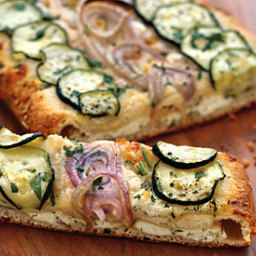
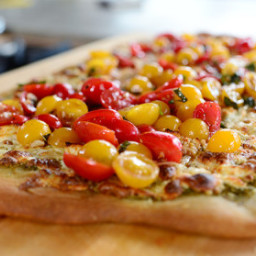
Think of homemade pizza like homemade salad: top it with your favorite foods! If you love asparagus or baby eggplant, grill or roast it ahead of time, let it cool, and cut it into bite-size topping pieces. Same goes for carrots, zucchini, broccoli, or cauliflower. Replace the conventional hard and semi-hard cheeses with soft, fresh cheeses such as mozzarella packed in water or creamy goat cheese, either plain or mixed with herbs.


Baking Techniques

Pizza is best baked in a fiery hot brick oven fueled by wood or charcoal that reaches upwards of 1000 degrees but since most of us don’t have this option, making your home oven as hot as possible is the best pizza baking technique. Crank up the temperature on your oven to the highest setting and let it preheat for at least 1 full hour.

Invest in a pizza stone. They come in round and square shapes and various sizes to fit most conventional ovens. You can also line your oven with unglazed quarry or terra cotta tiles but they are less convenient to remove and store. The tiles convert the oven bottom into a red-hot surface on which you directly place the raw pizza to bake, creating a crisp crust every time. This task is accomplished easiest with a pizza peel, a wooden paddle with a long handle that lets you slide the pizza onto the stone without losing the toppings and easily remove it when it’s done. Be sure to check the pizza for moveability before putting in the oven, adding cornmeal underneath it until it easily slides back and forth.

If you don’t have a pizza stone or tiles, preheat a heavy-duty cookie sheet that won’t warp under high temperatures in the oven and then place the pizza on it. Cast iron pizza pans also work well but are heavy and hard to handle. Pizza pans with perforated bottoms help the crust crisp on the bottom.

Closely monitor the baking process. Thin or medium crust pizzas typically bake in 10 to 12 minutes and regular thick crust ones in 15 or 20 minutes. Bake deep-dish pizzas according to specific recipe guidelines.


Ads keep BigOven free. Remove ads anywhere you log in with BigOven Pro

Hi there! Please sign in first.

BigOven needs to know who you are, so you can take your recipes anywhere via your smartphone or tablet.

Not yet a BigOven member? Join us, save time and money!

×

Ready? Let's get cooking.