Anchovy
 |
Anchovies are best when used sparingly, to add a unique flavor to dishes. |
History
Mediterranean anchovies have always been a local favorite, featured in ancient Greek writings more frequently than any other fish. In addition, anchovy sandwiches were popular French breakfasts in years past, and the French seaport of Collioure boasted a booming anchovy industry. Pollution in the late 20th century led to the unfortunate decline of the Mediterranean anchovy populations.Varieties
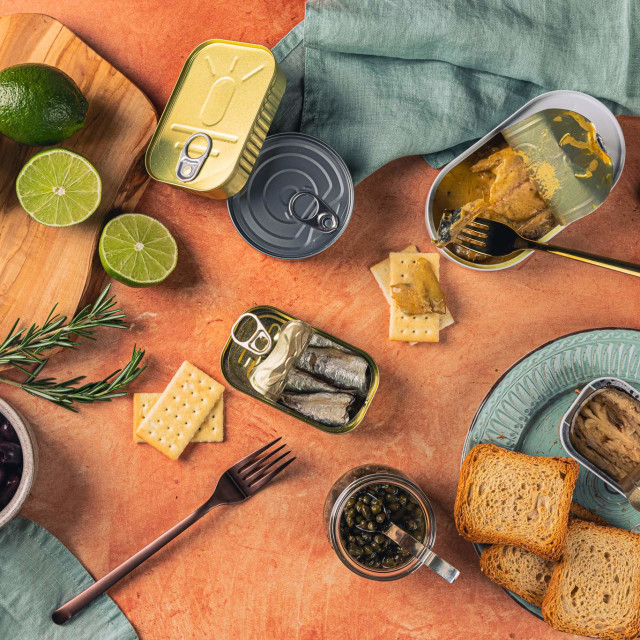
At least six species of anchovies are fished commercially throughout the world’s seas. The water temperatures and types of food available in their varying locales influence their mild taste differences, and some consumers can distinguish between inshore and open-sea anchovies, generally preferring inshore species.Anchovies are sold in varying forms: fresh, canned, whole or filleted, and packed in salt or olive oil. Anchovy paste and oil are also available commercially to meet the needs of assorted recipes.
Buying Tips
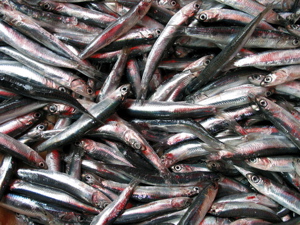
When purchasing anchovies, don’t even think about bargain-shopping. The tastiest anchovies come at a price, and the cheap anchovies are the reason that these fish have the bad rep that they do.When purchasing fresh anchovies, don’t expect unmarred perfection: there’s a small market for fresh anchovies. Try to find anchovies with bright eyes, but otherwise judge their freshness by smell rather than sight.
Storage Tips
• Unopened canned anchovies can generally be stored for up to a year.• After opening a can of anchovies, wrap the unused portion in olive oil and seal them into an airtight container. They can be refrigerated this way for months.
Usage Tips
• Taste canned anchovies before adding them to a dish. If they are too salty, rinse in warm water and use paper towels to dry them gently. If needed, anchovies can be soaked in milk or water for an hour to further remove excess salt.• If you intend to use whole anchovies, keep in mind that you will need to remove their backbones, heads and tails during preparation. It is unnecessary (and quite a hassle) to remove the skin.
• Add anchovies to recipes slowly so that you can control the intensity of the taste.
• To jazz up a sauce, mix in 1/8 of an anchovy, which will be unidentifiable but flavor-enriching.
• Make your own anchovy paste easily by mashing anchovies into a paste-consistency.
Substitution Tips
• Anchovies in various forms (fresh, canned, salted) are not interchangeable, so pay attention to the specific demands of your recipe.• Sardines can usually be used in place of anchovies, so long as they are in the same form as the anchovies called for by the recipe.
• To get an intense anchovy flavor in sauces and dressings, anchovy oil can work as well or better than whole anchovies, though this will increase the saltiness.