Spice
 |
Spices were once precious commodities used in trade. Today, they’re essential to most recipes. |
Modern spice classifications have changed, however, and the term is generally meant to include all seasonings, including blends, herbs, and dried vegetables.
History
While herbs may have been a common medicinal and flavoring ingredient, many spices have reigned as prized commodities throughout history. Pepper was once used as currency for trading while much later, spice-laden ships became conquests for pirates.
Varieties
The most-used spices include:
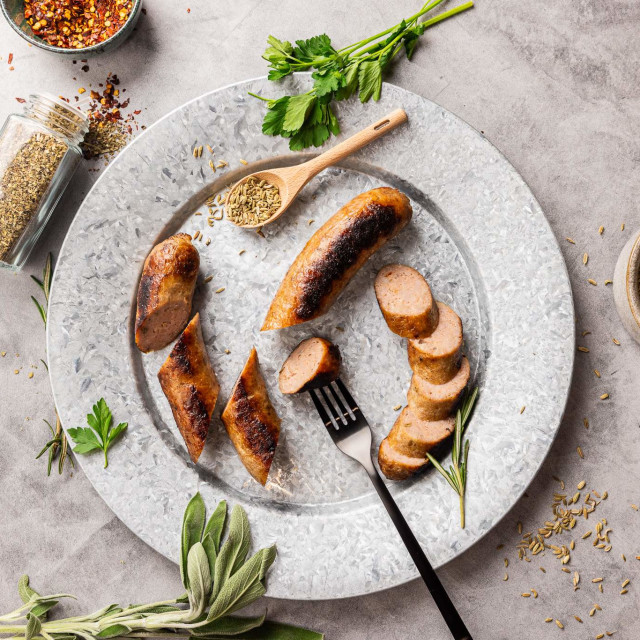
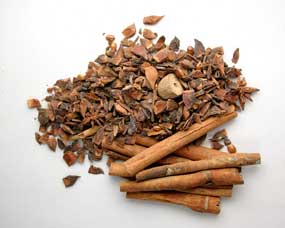
Allspice, fennel, ginger, cinnamon, clove, mace, mustard powder, nutmeg, paprika, pepper, red pepper (cayenne), star anise, turmeric, white pepper.
Spice blends:
Apple pie spice, chili powder, curry powders, Chinese five spice, garam masala (), Italian seasoning, pickling spice, pumpkin pie spice.
Buying Tips
• Avoid whole pods and berries that are cracked or broken.
Storage Tips
• While six months is the general recommendation for length of freshness, many ground spices will be usable much longer – often up to two years. They lose flavor and taste over time. Color changes and lack of aroma are indications that a spice is well past prime.
• Whole spices will last up to four years.
• Store in a dry, cool, dark place and always keep containers tightly closed.
• Red spices tend to turn brown. Refrigerate (sealed to prevent humidity buildup) or freeze.
Usage Tips
• To enjoy the true flavors of whole spices, a grinder is the best investment. Process only the amount needed in a recipe.
• Before grinding, some spices will benefit from toasting for enhanced flavor.
• Never sprinkle spices directly from the bottle into a steaming pot. This will encourage caking and mold growth.