Cooking with The Prickly Pear Cactus
Still searching for what to cook ?
Find the most delicious recipes here
INGREDIENTS
- 1 lb Prickly Pear Cactus

INSTRUCTIONS
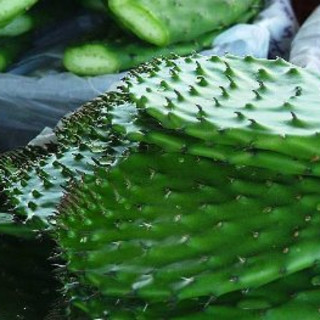
The prickly pear cactus plant grows wild throughout the southern region of Arizona where the air is warm and dry. It produces large, green, succulent pads that bear plump, juicy fruits in the late summer months. Prickly pear pads have large, smooth, sharp spines, surrounded by small, hair-like spines called glochids. The fruits have the hair-like glochids. The large spines can be dangerous, while the glochids are irritating and difficult to remove from the skin.
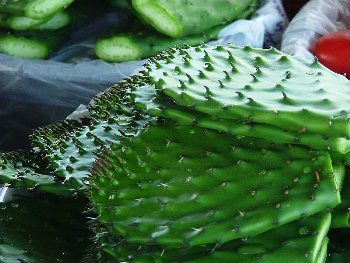
NOPALES Prickly pear pads (nopales) have been eaten by the Native Americans for centuries. The pads are picked from the cactus but must be handled with care; the hair-like spines that project from the pads can easily get caught in your skin. Cactus pads are found in most Mexican markets. It is better to choose the smaller and thicker deep-green pads because they are more tender. Usually fresh cactus pads are sold whole. For convenience, however, they may also be purchased in jars already diced and even precooked in their natural juices. To clean the whole pads, hold them with a kitchen towel and remove the spines and rounded outside edge of the pads with a small paring knife or vegetable peeler.
PRICKLY PEAR FRUITS Traditionally, prickly pear fruits are harvested in late summer. A brush made from wild grass is used to remove their fine, hair-like spines. You can use a vegetable scrubbing brush. Hold the fruit with metal tongs and rinse under cold running water. When selecting fruits from the marketplace, be careful to choose those that are soft but not overripe. They may range in color from greenish-yellow to bright red, the latter being the ripest and best to eat. If only green fruits are available, store them at room temperature until they ripen to red.
To make a fruit pulp, wash the fruits thoroughly under cold running water, cut off the ends, and cut in half lengthwise. Place then in a food processor and puree to a fine pulp. To make juice, press the pulp through a fine sieve, using a wooden spoon or spatula to remove the seeds. Twelve prickly pears make approximately 1 cup of juice.
PRICKLY PEAR SEEDS The seeds of some varieties are very hard, but can be eaten if cooked in soup or ground into flour.
NOTES
Nopales are commonly available in Mexican grocery stores or Farmer's Markets.

 promfh
Nutrition
View line-by-line Nutrition Insights™: Discover which ingredients contribute the calories/sodium/etc.
|
|
||
| Serving Size: 1 Serving (448g) | ||
| Recipe Makes: 1 | ||
|
|
||
| Calories: 184 | ||
| Calories from Fat: 21 (11%) | ||
|
|
||
| Amt Per Serving | % DV | |
|
|
||
| Total Fat 2.3g | 3 % | |
| Saturated Fat 0.3g | 2 % | |
| Monounsaturated Fat 0.3g | ||
| Polyunsanturated Fat 1g | ||
| Cholesterol 0mg | 0 % | |
| Sodium 22.4mg | 1 % | |
| Potassium 985.6mg | 26 % | |
| Total Carbohydrate 42.9g | 13 % | |
| Dietary Fiber 16.1g | 65 % | |
| Sugars, other 26.7g | ||
| Protein 3.3g | 5 % | |
|
Powered by: USDA Nutrition Database Disclaimer: Nutrition facts are derived from linked ingredients (shown at left in colored bullets) and may or may not be complete. Always consult a licensed nutritionist or doctor if you have a nutrition-related medical condition. |
||
Calories per serving: 184
Get detailed nutrition information, including item-by-item nutrition insights, so you can see where the calories, carbs, fat, sodium and more come from.


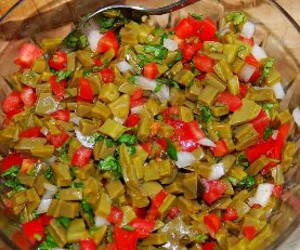


What would you serve with this? Link in another recipe.