Join us!  Sign in   

rhubarb recipes (title)

1 to 20 out of 644


Refine my search

Category:  or  clear
 

INCLUDE Ingredients
EXCLUDE Ingredients
Only show

Ready in (minutes)
Sorting
Dietary filters BigOven Pro required (try it free!)

Notice a categorization error? Let us know by clicking [alert editor] on the recipe page, in the ingredients box.

rhubarb


Intensely tart rhubarb is usually sweetened and cooked with other fruits (such as apples and strawberries) to create delicious jams, cakes, sauces and of course, rhubarb pie.
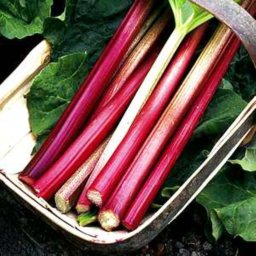
This member of the buckwheat family has thick, celery-like stalks that are greenish-pink to deep red in color. Botanically a vegetable, rhubarb is usually sweetened and cooked in the manner of a fruit. It has an intensely tart flavor that makes for great sauces, jellies, muffins and cakes. Rhubarb is such a popular ingredient for pie filling that in some regions it is simply known as pieplant.

Note: The leaves and roots of rhubarb should not be eaten. They contain excessive levels of oxalic acid, which can be toxic.

History

The word "rhubarb" comes from the Latin reubarbarum, or "root of the barbarians." The term was used to describe anything that was foreign or unfamiliar.

Varieties

There are two types of rhubarb on the market. Hot-house rhubarb has pink to light red stalks, yellow-green leaves and a milder taste. Field-grown rhubarb has deep red stalks, bright green leaves and a more intense flavor.

Buying Tips

Hot-house is available in many regions year-round, while field-grown is usually found from late winter to early summer (peak season is from April to May). When buying, select brightly colored, crisp stalks. The leaves should look fresh and blemish-free.

Rhubarb is also available canned or frozen.

Storage Tips

Highly perishable, whole stalks of fresh rhubarb should be tightly wrapped in plastic wrap and refrigerated. Use within three days, or cut in chunks, place in a plastic freezer bag and freeze for up to nine months.

Usage Tips

• Wash, trim ends and remove leaves right before using. Be sure to discard the roots and leaves—these contain toxic levels of oxalic acid.

• Field-grown rhubarb has a stringy, fibrous skin that must also be removed. Make a cut under the skin at one end, then pull the skin down the length of the stalk. Repeat until all is removed.

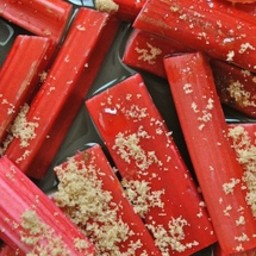
• Eat rhubarb raw with a little sprinkle of sugar on top.

• Rhubarb is more often cooked. It can be simmered, stewed or baked.

• Cook rhubarb in orange juice to add flavor and reduce acidity.

• Sweeten rhubarb with sugar, honey, syrup or preserves.

• Make a homemade rhubarb sauce or jam.


Try one of our favorite rhubarb recipes:
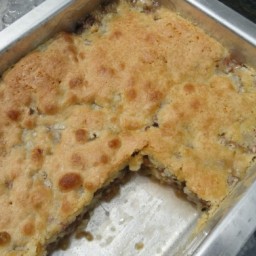
Apple-Rhubarb Crisp
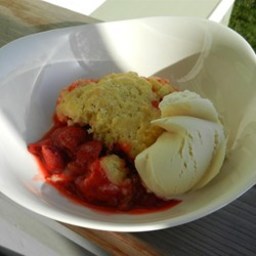
Strawberry-Rhubarb Slump
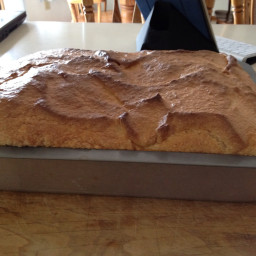
Hazel Gentry's A to Z Bread


Pairing Suggestions


apples, blackberries, blueberries, chicken, cinnamon, ginger, honey, nutmeg, oranges, pork, raspberries, strawb
Ads keep BigOven free. Remove ads anywhere you log in with BigOven Pro

Hi there! Please sign in first.

BigOven needs to know who you are in order to keep your recipes, grocery list and menu plan, and sync it with your smartphone or tablet.

Not yet a BigOven member? Join us, save time and money!

×

Ready? Let's get cooking.